




What Design Details Make Girls’ Swimwear More Appealing to Retail Buyers?
Release time: 2026-10-16
Table of Contents
For retail buyers, a successful girls’ swimwear collection needs more than attractive colors and patterns. Design details influence how products stand out on display, fit into different retail markets, and meet the expectations of parents and children. A balanced collection should combine visual appeal with practical features, suitable coverage, and reliable sizing.
Since 2009, EFIRSTY has focused on swimwear and activewear OEM production, offering design development and manufacturing services. Its girls’ swimwear range includes one-piece swimsuits, two-piece sets, long-sleeve styles, and printed designs. These options provide a starting point for retailers looking to build collections with different looks and intended uses.
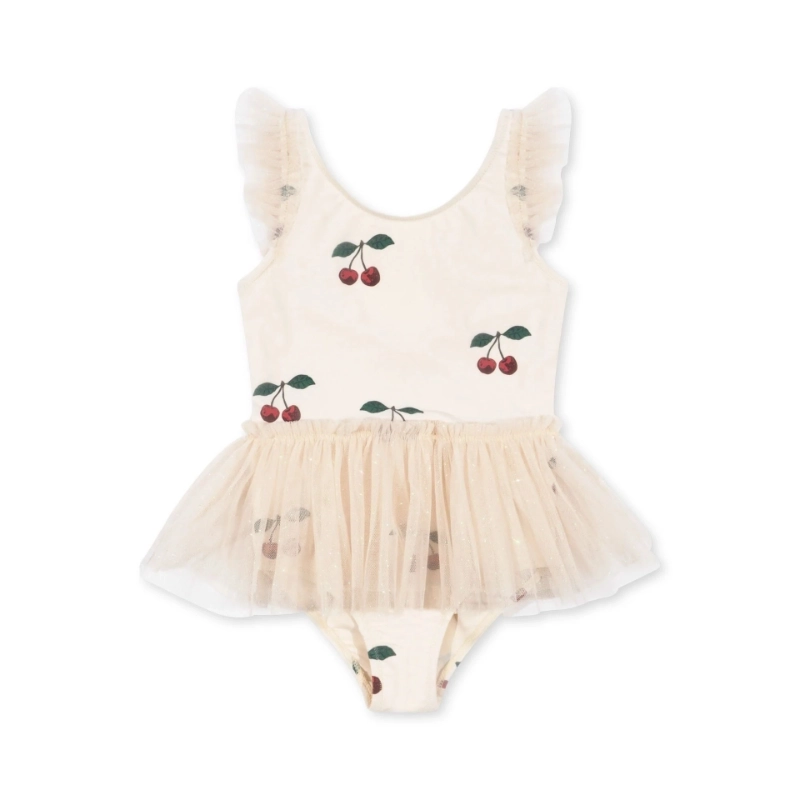
1. Color and Print Choices Create a Distinctive Collection
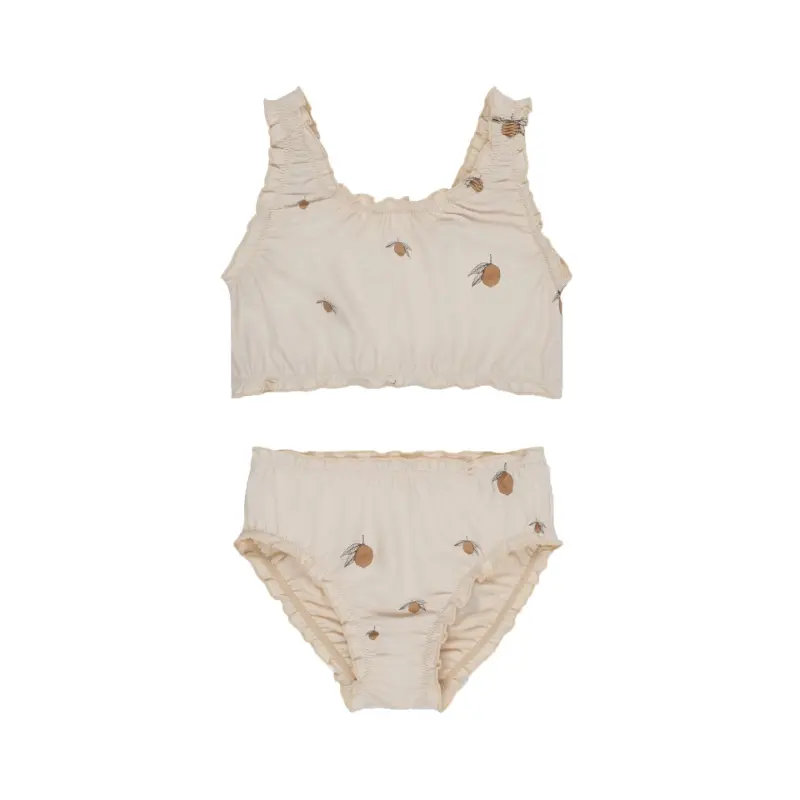
Color and print are among the first details customers notice when shopping for children’s swimwear. Retailers can use a mix of patterns and color combinations to create a collection that appeals to different preferences without making the product range look repetitive.
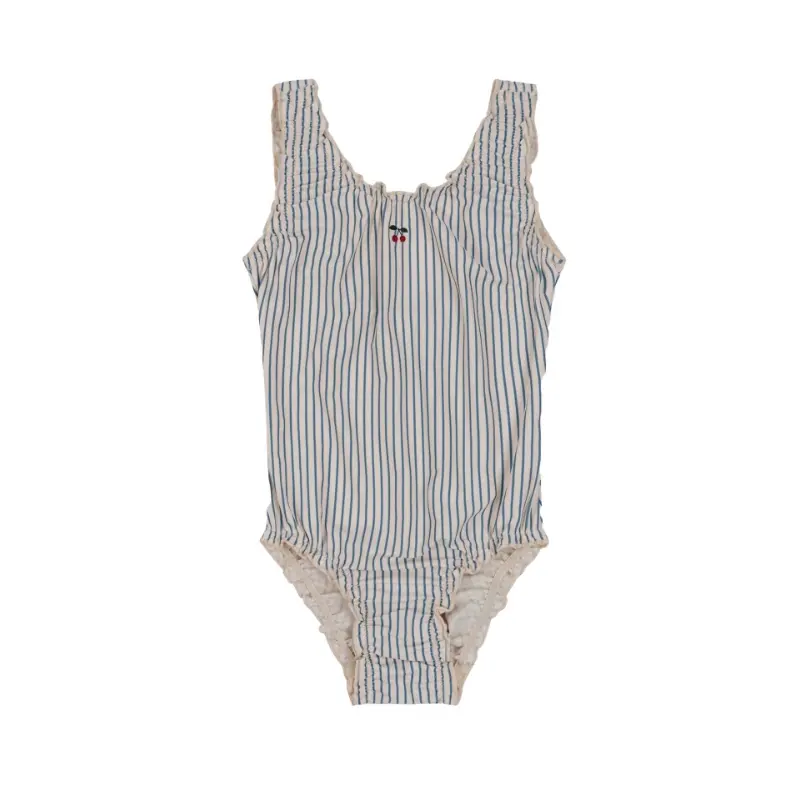
The available girls’ swimwear styles include purple plaid swimwear, striped and checked designs, color-block prints, and digital-print one-piece swimsuits. Each option creates a different visual effect. Plaid and checks offer recognizable patterns, while color blocking creates contrast between sections of a garment. Digital printing allows more detailed patterns to become part of the design.
When planning girls’ swimwear wholesale orders, buyers should consider how individual prints work together across the collection. A range with coordinated colors and contrasting patterns can offer variety while maintaining a consistent retail identity. Buyers should also assess whether prints remain clear across the garment’s panels and whether the finished product matches the approved design.
2. Small Decorative Details Can Set Products Apart
A small design feature can make a swimsuit more recognizable without requiring a completely different silhouette. Bows, neckline shapes, strap arrangements, and panel placement can all influence the overall appearance of a garment.
For example, the product range includes a one-piece swimsuit featuring a bow detail and a halter-style two-piece design. These styles illustrate how different design elements can appeal to different customer preferences. A bow can give a swimsuit a playful appearance, while a halter neckline creates a distinct outline around the upper body.
For retail buyers, the key is to evaluate decorative details in relation to the target age group and intended use. Decorations should be securely attached, comfortable against the skin, and appropriate for swimming and beach activities. Straps and necklines should also be assessed for fit and ease of movement.
These details are particularly useful when developing a collection in which several products share similar colors or prints. A distinctive neckline or decorative element can help differentiate one item from another without making the assortment unnecessarily complicated.
3. Necklines and Coverage Should Match the Intended Use
The cut of a swimsuit affects both its appearance and its suitability for different activities. Retailers may serve customers looking for poolside swimwear, beachwear, vacation clothing, or options for more active swimming. A collection with varied silhouettes can address these different needs.
One-piece swimsuits provide a continuous silhouette, while two-piece sets offer a different look and allow the top and bottom to be considered as a coordinated set. Long-sleeve designs are another option for buyers seeking greater coverage. The available styles include floral long-sleeve one-piece swimwear, long-sleeve two-piece designs, and backless one-piece swimsuits.
When reviewing girls’ swimwear, buyers should look beyond the product image. Check how the neckline, arm openings, leg openings, and back design are constructed. These areas affect how the swimsuit sits on the body and whether it allows comfortable movement.
Coverage requirements also vary by market and customer preference. Some buyers may prioritize long sleeves and more coverage, while others may prefer sleeveless or backless designs. Offering a considered selection helps retailers serve different needs without relying on a single silhouette.
4. Fabric, Stretch, and Construction Matter as Much as Appearance
An attractive design may draw attention, but comfort and construction influence whether customers are satisfied with the product. Swimwear needs to fit securely while allowing children to move freely in and out of the water.
When evaluating samples, buyers should check the fabric’s stretch and recovery, seam finishing, lining where applicable, and the stability of straps and decorative elements. The garment should not feel unnecessarily restrictive, and its construction should suit the intended design.
Some product descriptions highlight quick-drying or high-elasticity features. However, buyers should confirm the exact fabric composition and performance specifications for each style rather than assuming every product has the same characteristics.
For a girls’ swimwear supplier, providing clear product specifications and consistent samples is important to the purchasing process. Buyers should confirm material details, construction requirements, color standards, and any testing expectations before approving bulk production. These checks help reduce differences between the approved sample and the delivered order.
5. Accurate Sizing Helps Reduce Purchasing Problems
Design appeal alone cannot compensate for inconsistent sizing. Children’s body proportions change with age, and size labels do not always correspond to identical measurements across different manufacturers. Buyers should therefore review actual garment measurements rather than relying only on age labels.
When planning girls’ swimsuit sizes, retailers should confirm the available size range and the measurement chart for each product. Important points include chest width, waist measurement, body length, strap placement, and the fit of the leg openings, depending on the style.
Buyers should also check whether the same size specifications apply across one-piece and two-piece designs. Different silhouettes may require different measurements, so one chart should not automatically be applied to every product in a collection.
Before confirming girls’ swimwear wholesale orders, it is useful to request samples in relevant sizes and compare them with the intended market’s requirements. A clear size chart, consistent grading between sizes, and agreed measurement tolerances can make inventory planning more reliable.
6. Build a Product Range With Clear Differences
Retailers do not necessarily need a large number of unrelated designs to create a compelling collection. A more practical approach is to select products with clear differences in color, print, neckline, coverage, and silhouette.
For example, a collection might combine a floral long-sleeve one-piece, a bow-detail one-piece, a color-block halter set, and a plaid two-piece swimsuit. Each product serves a different visual role, giving buyers several options without relying on repeated versions of the same design.
This approach also helps buyers compare styles during product selection. They can identify which designs suit their customers, decide which colors and patterns deserve more inventory, and avoid ordering too many products that appeal to the same preference.
For private-label collections, brands may also explore custom colors, prints, or other design details with the manufacturer. The feasibility of each change should be confirmed during product development, including its effect on sampling, minimum order quantities, production schedules, and final costs.
7. What Buyers Should Confirm Before Placing an Order
Before finalizing girls’ swimwear wholesale purchases, buyers should review the complete product rather than judging it from photographs alone. A structured sample review helps identify potential problems before production begins.
Key points to confirm include:
- Design details: Check print placement, color combinations, neckline shape, decorative elements, and overall proportions.
- Size specifications: Review the measurement chart, size grading, and fit across the intended range of sizes.
- Material and construction: Confirm fabric composition, stretch, lining requirements, seam quality, and finishing details.
- Customization: Agree on artwork, colors, labels, and other requested changes before approving the sample.
- Order requirements: Confirm quantities by style and size, sample approval procedures, production lead times, and delivery arrangements.
Working with an experienced girls’ swimwear supplier can help buyers coordinate these requirements during development and production. Clear communication is especially important when a collection includes several prints, different silhouettes, or customized details.
Frequently Asked Questions
1.What design details should retailers prioritize in girls’ swimwear?
Retailers should consider color, print, neckline, coverage, decorative details, comfort, and construction. The best combination depends on the target age group, intended use, and preferences of the customers they serve.
2.Which prints can help create a varied girls’ swimwear collection?
Floral, plaid, striped, checked, color-block, and digital-print designs can provide visual variety. Buyers should select patterns that work together as a collection while offering clear differences between individual products.
3.Why are girls’ swimsuit sizes important for wholesale buyers?
Accurate sizing helps retailers choose appropriate inventory and provide customers with more reliable fit information. Buyers should review garment measurements and size grading instead of relying on age labels alone.
4.What should buyers ask a girls’ swimwear supplier before bulk ordering?
Buyers should confirm product specifications, available sizes, fabric details, sample approval, customization options, minimum order quantities, production lead times, and delivery arrangements. Requirements should be agreed upon before bulk production starts.
5.Can retailers customize girls’ swimwear designs?
Customization may include colors, prints, labels, and selected design details, depending on the manufacturer’s capabilities. Buyers should confirm feasibility, costs, order quantities, and sampling requirements before proceeding.
Conclusion
Appealing girls’ swimwear combines recognizable design details with suitable coverage, comfortable construction, and consistent sizing. For retail buyers, the goal is to build a collection in which each product offers a clear reason to be selected while meeting practical purchasing requirements.
With its experience in swimwear OEM production and a range of printed, one-piece, two-piece, and long-sleeve designs, EFIRSTY can discuss different collection needs with buyers. By evaluating samples carefully, confirming girls’ swimsuit sizes, and communicating specifications clearly with a girls’ swimwear supplier, buyers can make more informed decisions when planning girls’ swimwear wholesale orders.